
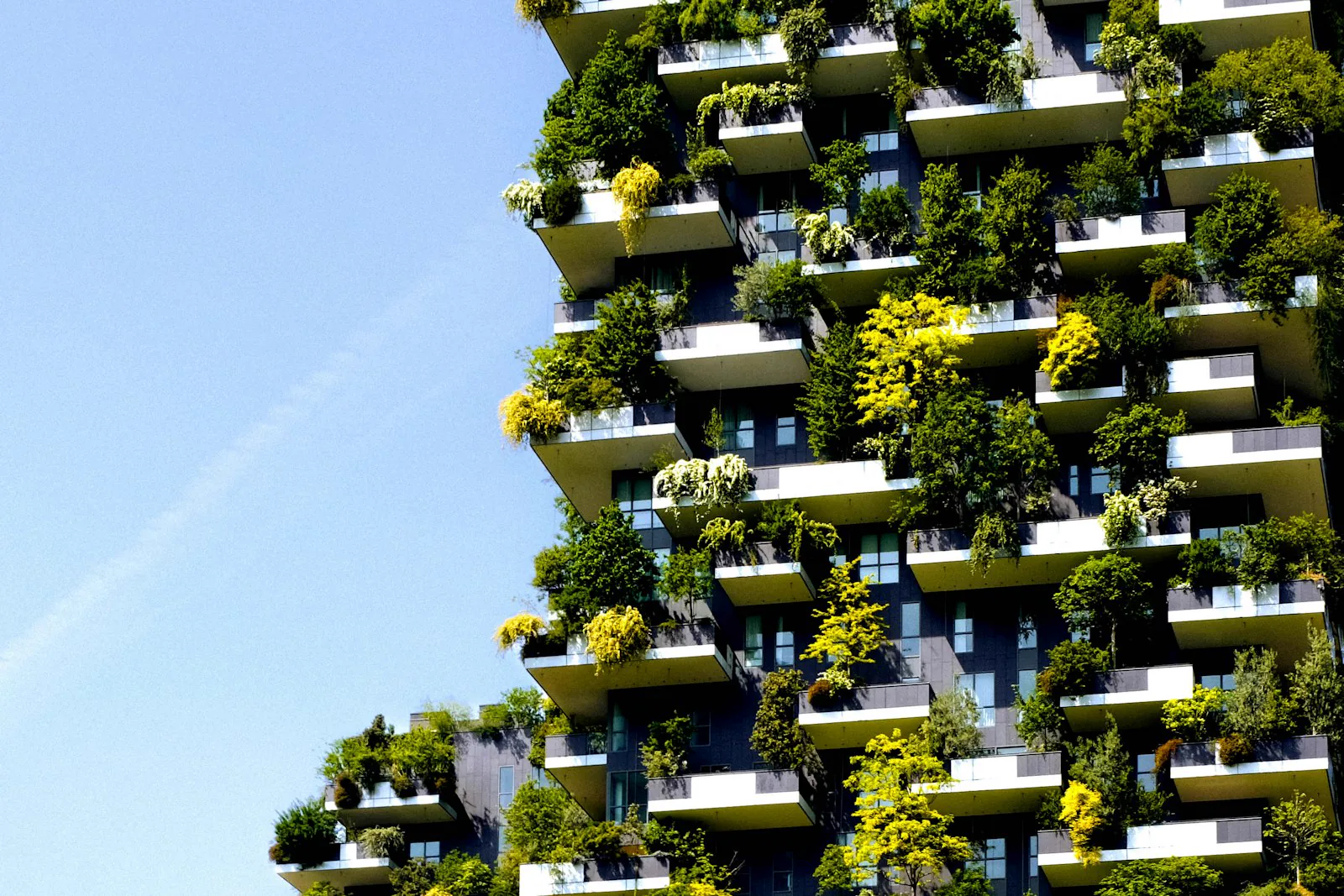
There is a question worth asking about any sustainability initiative: does this improve the asset, or just the story? For a long time, much of what was labelled "green" in real estate belonged to the second category. That era is over — not out of moral conviction, but arithmetic.
Environmental certification —BREEAM, LEED and equivalents— has become a factor that runs through the entire life of an asset: from how it is financed to the price at which it sells. Ignoring it is no longer an ideological stance; it is a decision with a cost.
Where it really hits
The effect of a good certification shows up at three specific points of a project's balance sheet:
- Financing. Banks and institutional investors channel ever more capital towards assets meeting environmental criteria, with better terms for certified projects and growing reluctance towards those that are not.
- Leasing and occupancy. Operators and tenants —especially corporates— demand efficient, healthy buildings. A certified asset leases up faster and retains its users better.
- Exit value. At divestment, the institutional buyer discounts the risk of obsolescence. An uncertified building faces a discount —the so-called "brown discount"— that erodes the return.
The question is no longer how much it costs to certify a building, but how much less the one that is not certified is worth.
Efficiency today, value tomorrow
Certifying also forces better design: lower energy consumption, water management, lower-footprint materials and spaces designed for the wellbeing of the people who live in them. All of it reduces operating costs over the life of the asset and improves the end user's experience — and the end user is who sustains occupancy.
That is why we build certification in as a design criterion, not a last-minute add-on. Vehicles like Mad Río Hco plan for BREEAM certification from the design stage: not to be able to say so, but because it protects the financing, the occupancy and the exit value. Sustainability properly understood is not an image expense; it is a way of reducing risk.